What is activated carbon?
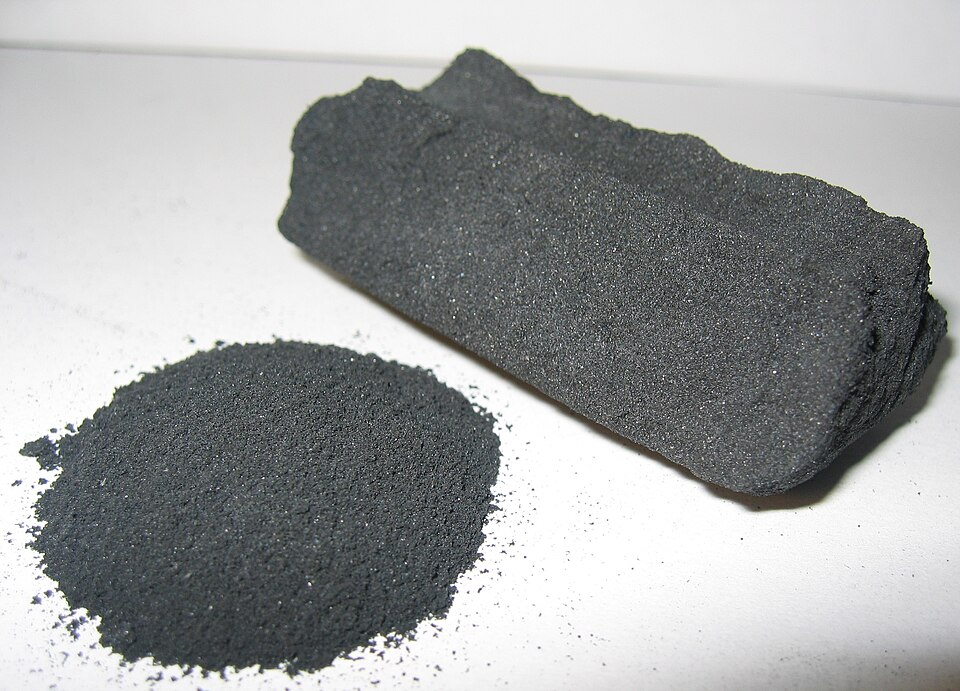
Activated carbon, also sold as activated charcoal or active carbon, is a carbon-rich solid processed to open an enormous internal network of pores. The US EPA describes granular activated carbon as a porous adsorption medium with extremely high internal surface area, and it is that internal surface that does the work. Adsorption destroys nothing, so the carbon fills up and the contaminant eventually reappears at the outlet. Having no fixed chemical formula, activated carbon cannot be bought on assay but on a specification sheet of test values, each from a named method. Two carbons quoting the same iodine number can behave entirely differently in service.
How activation works: steam versus chemical activation
Steam (physical) activation
The precursor is carbonised in an inert atmosphere to drive off volatiles, then gasified at high temperature with steam or carbon dioxide, which attacks carbon at the edges of the structure and interconnects the pores. The result is dominated by micropores below roughly 2 nm, the range that matters for small molecules and vapour-phase work. Burn-off is the main lever: push further and activity rises while apparent density, hardness and yield fall. Technical literature notes iodine values above 1000 mg/g are readily obtainable this way, the standard route for coconut shell and most coal grades.
Chemical activation
Here the feedstock is impregnated with a dehydrating or oxidising agent, classically phosphoric acid or zinc chloride, then heated under inert gas. Published reviews put commercial chemical activation around 350–700 °C, cooler than steam activation, and consistently report that chemically activated lignocellulosic carbons show more mesoporosity. The takeaway: the activation route, not the feedstock name alone, sets the pore size distribution.
The three raw-material families and where each wins
Coconut shell activated carbon
Made from the hard endocarp of the nut, coconut shell activated carbon is dense, hard, naturally low in ash and, after steam activation, strongly microporous with a high iodine number. Commercial granular grades are typically offered against iodine minimums around 1000–1050 mg/g by ASTM D4607, some producers publishing bands reaching 1250 mg/g. It is the default for vapour-phase duty, final polishing of potable water and gold recovery, where hardness is worth more than headline activity. Supply is the caveat: shell charcoal comes from a concentrated belt across Indonesia, the Philippines, Sri Lanka, India and Vietnam.
Coal-based activated carbon
Bituminous coal carbon is the volume workhorse of water treatment: micropores plus transport meso- and macropores handle the heterogeneous, high-molecular-weight load of municipal and industrial water far better than a purely microporous carbon, and it survives repeated reactivation. Lignite grades are more macroporous, lower in density and hardness and higher in ash, but good for large molecules and fouling feeds. Note that published datasheet tables show coal-based products from roughly 600 to above 1200 mg/g iodine number: the feedstock name tells you about hardness, ash and reactivability, but only the grade data tells you capacity.
Wood-based activated carbon
Wood carbon is almost always chemically activated with phosphoric acid and supplied predominantly as powder. Its mesoporous structure is what large, bulky molecules require: sugar colour bodies, pigments in edible oils, tannins, humic colour. These grades carry high methylene blue and molasses numbers with modest iodine numbers: decolourisation media, not bed media, and rarely reactivated.
| Feedstock | Activation | Pore character | Hardness / density | Where it wins |
|---|---|---|---|---|
| Coconut shell | Steam | Strongly microporous | High / high | Vapour phase, solvent recovery, potable polishing, gold CIP/CIL |
| Bituminous coal | Steam, often agglomerated | Balanced micro, meso, macro | Good / moderate | Municipal and industrial water, wastewater, reactivation programmes |
| Lignite | Steam | Macroporous, open | Lower / low | High-fouling waters, large molecules, colour removal |
| Wood | Chemical (H₃PO₄, ZnCl₂) | Mesoporous | Soft / low | Decolourising sugar, edible oil, beverages, pharma; tannin removal |
Activated carbon specification parameters that actually matter
Compare only values generated by the same method: a number without a method reference is not a specification.
| Parameter | Common method | What it tells you |
|---|---|---|
| Iodine number (mg/g) | ASTM D4607 | Relative activation level; proxy for micropore volume |
| CTC activity (% w/w) | ASTM D3467 (legacy) | Vapour-phase capacity; method deprecated |
| Butane activity (% w/w) | ASTM D5742 | Micropore volume; current replacement for CTC |
| Methylene blue (mg/g) | CEFIC method | Mesopore availability; medium-molecule capacity |
| Molasses number | Norit NSTM 2.19 or PACS | Macropore content; decolourisation power |
| Ball-pan hardness (%) | ASTM D3802 | Lot-to-lot comparability of resistance to breakdown |
| Ash content (%) | ASTM D2866 | Inorganic residue; leachables, pH drift, catalytic effects |
| Moisture (%) | ASTM D2867 | Delivered dry weight and freight efficiency |
| Apparent density (g/cm³) | ASTM D2854 | Kilograms your vessel will actually hold |
| Particle size / mesh | ASTM D2862 (granular), D5158 (PAC) | Kinetics, pressure drop, fines carry-over |
Iodine number, CTC and butane activity
The iodine number is the most quoted figure in the trade and the most over-interpreted. ASTM D4607 calls it a relative indicator of porosity and activation level, and states that it does not necessarily measure the carbon's ability to adsorb other species, and that although it may approximate surface area for some carbons, the relationship cannot be generalised across raw materials and pore volume distributions. Read it as a micropore indicator and a batch-consistency check, not a performance guarantee.
CTC activity carries a procurement warning. Carbon tetrachloride activity, historically ASTM D3467, still appears on many datasheets, yet the 1999 edition of D3467 itself states that use of the method is not recommended because of the Montreal Protocol phase-out of carbon tetrachloride, directing users to ASTM D5742. That method determines butane activity, an indication of micropore volume; a CDC-hosted review puts the correlation between the two at a factor of about 2.55, so the two figures must never be compared directly.
Pore structure, mechanical properties and particle size
Where target molecules are larger than a chlorinated solvent, micropore indicators stop being useful. The methylene blue number indicates mesoporosity; the molasses number is a dimensionless decolourisation index read photometrically against reference carbons by either the Norit NSTM 2.19 or the PACS procedure. Neither sits under an ASTM standard, so molasses numbers from different methods are not interchangeable: specify the method and run a bench isotherm on your own liquor.
ASTM D3802 gives a ball-pan hardness number for granular carbons, and is unusually candid: the test does not actually measure in-service resistance to degradation, but can establish comparability of lots of the same grade. Add an attrition test where abrasion drives economics; vendor datasheets for gold grades commonly publish hardness in the 97–99% band with attrition loss around 1%. Ash (D2866) matters wherever leachables or catalytic side reactions are a concern, and moisture (D2867) is commercial as much as technical, because you pay freight on water. Apparent density (D2854) is the most ignored and often most decisive parameter, since it sets how many kilograms a fixed vessel holds: convert every offer to a per-litre-of-bed basis before ranking.
Granular grades are designated by a mesh pair (6×12, 8×30, 12×40) sized to ASTM D2862; finer particles compress the mass-transfer zone at the cost of pressure drop and more fines, so state fines limits explicitly. PAC is sized by air-jet sieving to ASTM D5158, which defines it as particles predominantly between 80 and 500 mesh.
Forms: GAC, PAC and extruded carbon
GAC is crushed and screened material for fixed beds: backwashable, reactivable, used in almost all continuous service. PAC is dosed into the stream and removed with the solids: single-use, near-zero capital cost, dose adjustable hour by hour, which suits seasonal taste-and-odour events. Extruded carbon gives low, predictable pressure drop for vapour-phase service, and impregnated grades reach species carbon cannot physically adsorb, such as hydrogen sulphide or mercury.
Selecting activated carbon by application
Potable water: taste, odour and chlorine
EPA guidance identifies GAC as useful for removing taste- and odour-producing compounds, natural organic matter, volatile and synthetic organic compounds and disinfection by-product precursors. Chlorine removal, though, is a different mechanism: water-industry technical literature describes dechlorination not as adsorption but as a surface redox reaction, in which hypochlorous acid and hypochlorite oxidise the carbon surface while the chlorine leaves as chloride. A bed can therefore be exhausted for organics yet still dechlorinate well. Chloramine is removed far more slowly on conventional GAC, which is why catalytic carbons exist: Water Quality Association material cites contact times around five minutes for chloramine reduction with catalytic carbon.
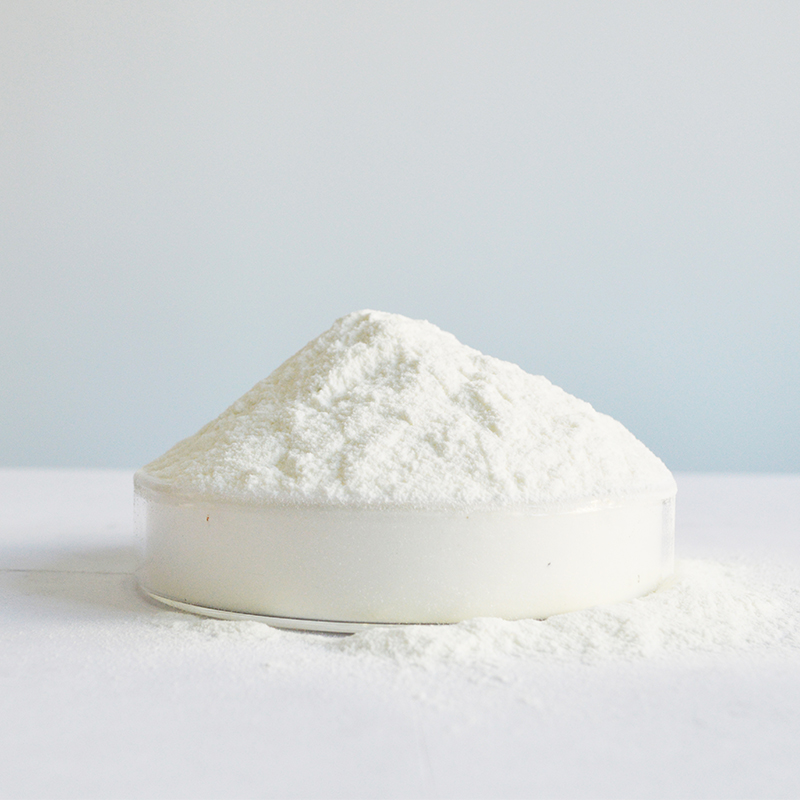
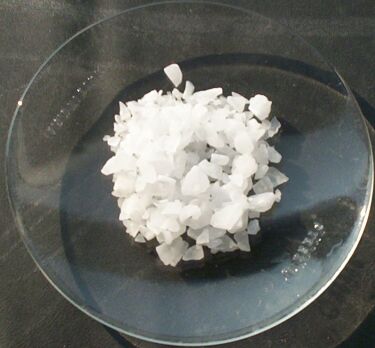
Carbon rarely works alone. Where it follows clarification, the upstream coagulant programme (PAC polyaluminium chloride, aluminium sulphate or ferric chloride) sets the organic load the bed must absorb, and pre-oxidation with potassium permanganate can destroy part of the taste-and-odour load first. Downstream, where free chlorine from calcium hypochlorite or sodium hypochlorite must be stripped from a side stream, reduction with sodium thiosulphate or sodium metabisulphite is often cheaper than carbon. See our water treatment chemicals range.
Wastewater, solvent recovery and decolourisation
Wastewater is where coal-based GAC earns its position: the load is heterogeneous and high in molecular weight, and the bed must be reactivated rather than discarded for the economics to work. Pretreatment is not optional, because suspended solids, free oil and oxidised iron blind a bed long before adsorptive capacity is reached. Vapour-phase and solvent-recovery duty rewards micropore volume and uniform pressure drop, so the usual selections are coconut shell granular carbon or extruded coal-based pellets specified on butane activity. Decolourisation of sugar, edible oil and pharmaceutical intermediates uses wood-based PAC selected on molasses and methylene blue numbers; where an inorganic adsorbent suits ammonium duty better, zeolite is a common alternative.
Gold recovery: CIP, CIL and carbon handling
In carbon-in-pulp and carbon-in-leach circuits the carbon contacts cyanide leach slurry directly and is screened out, so it is abraded continuously. Coarse coconut shell carbon, commonly 6×12 mesh sized to ASTM D2862, is the industry standard because gold lost on fines is lost permanently. Producer datasheets for gold grades specify hardness, attrition and platelet content alongside activity.
Loaded carbon is acid washed to strip calcium carbonate scale, with published practice ranging from a cold soak in dilute acid to boiling in 5–10% hydrochloric acid. A peer-reviewed progress report on CIP unit operations notes this removal is controlled by both diffusion and equilibrium, and is slower where calcium has accumulated over an extended period, the reason acid washing should never fall behind. Elution follows by hot caustic-cyanide solution in the Zadra or AARL routes, drawing on caustic soda flake and cyanide or a sodium cyanide replacement. See our mining chemicals range and activated carbon grades.
Bed sizing for activated carbon filtration: EBCT, breakthrough and backwashing
Empty bed contact time (EBCT) is the governing design parameter: the empty bed volume divided by the design flow rate, in minutes. New York State drinking water guidance uses exactly this definition and codifies design categories on it, GAC10 and GAC20 denoting ten- and twenty-minute beds based on average daily flow. Published municipal and industrial practice puts the usual window at roughly 5–15 minutes, with 10–15 minutes often adequate for low-concentration dissolved organics.
This is the commonest sizing error made by engineers coming from media filtration: GAC vessels are sized on contact time, not surface loading rate. Surface loading remains a constraint: Water Quality Association material gives 4–10 gpm/ft² for small filters, and warns that large filters channel when run too slowly. Breakthrough is never a step change, because the mass-transfer zone exits before the bed is saturated, which is why lead-lag vessel pairs are standard practice.
Commissioning matters, because trapped air ruins a new bed. Published start-up guidance recommends filling in upflow at no more than 5 gpm/ft², soaking, then refilling upflow at no more than 2 gpm/ft² to displace air entrapped in the pores. The initial backwash also removes manufacturing fines and stratifies the bed, with a target expansion of about 25–30%, so design in enough freeboard.
Reactivation versus replacement
Spent granular carbon can be thermally reactivated: heated in a steam-bearing atmosphere to volatilise and gasify the adsorbed organics, restoring most of the original pore volume. Published practice sits in the 700–900 °C band, with rotary furnaces around 800 °C the most common configuration.
The economics turn on mass and volume loss per cycle, since every kilogram lost needs virgin make-up, and on how closely reactivated iodine number and surface area approach the virgin product. Patent literature observes bluntly that thermal reactivation can represent the largest single expense of using GAC, so model your own case rather than accepting a headline saving. Reactivation also needs a hard carbon, meaning coconut shell or bituminous coal; PAC cannot be reactivated at all; and spent carbon is a regulated waste, with EPA guidance noting disposal of exhausted media may require special hazardous waste handling.
Handling, storage and safety
- Wetted activated carbon depletes oxygen in confined spaces. Supplier SDSs state that wet activated carbon removes oxygen from air, creating a severe hazard to anyone inside vessels, tanks or other enclosed spaces, and that it does so without displacing air, so there is no warning sign. Measure oxygen before entry, apply confined-space procedures, and observe SDS guidance that oxygen should not fall below 19.5% at sea level.
- Smouldering carbon generates carbon monoxide. SDSs warn that carbon left to smoulder in a confined space can accumulate CO above its lower explosive limit, so test for CO as well as oxygen.
- Dust is combustible. Powdered grades can form explosive dust-air mixtures. Prevent dust accumulation, ground handling equipment because dry powders build static charge, and use HEPA or explosion-protected vacuums rather than compressed air.
- Self-heating and fire. High surface area makes carbon prone to self-heating, and water accelerates it. Carbon is hard to ignite but smoulders with no visible flame; SDSs advise against solid water jets, which spread fire.
- Segregation. Store away from strong oxidisers; hypochlorites, permanganates and peroxides should not be co-stored with carbon media.
Classification varies between suppliers, and some SDSs carry no signal word while still containing the oxygen-depletion warning. Always read the SDS for the specific grade you receive.
What drives activated carbon price and lead time
We quote on request rather than publishing prices, because activated carbon pricing is genuinely grade- and destination-specific. The variables that move it:
- Raw material. Coconut shell charcoal is an agricultural commodity with a concentrated supply base and seasonal availability; coal feedstock follows energy markets.
- Activation energy and burn-off. Higher activity means deeper burn-off and lower yield, which is why the step from a 900 mg/g grade to an 1100 mg/g grade costs far more than the 20% difference suggests. Specifying more activity than the duty needs is a common source of avoidable cost.
- Post-treatment and form. Acid washing, impregnation and non-standard sizing each add a step.
- Freight. Low apparent density makes activated carbon a volume cargo, so container utilisation rather than weight drives landed cost, and moisture is freight you pay for but cannot use.
- Lead time. Activation furnaces run in campaigns: a standard grade in a standard mesh moves quickly, while a made-to-order activation must be scheduled into one.
For a comparable quotation, state the duty and contaminant, flow rate and target outlet concentration, vessel dimensions or required EBCT, form and mesh, the parameters you need with their test methods, and destination port.
Specifying the right activated carbon grade
Match the pore structure to the molecule, the hardness to the mechanical duty, the apparent density to the vessel and the form to the operating pattern, and insist that every number on the offer carries its test method. Euro Chemical Supplies supplies activated carbon factory-direct in granular, powdered and extruded forms across coconut shell, coal and wood feedstocks: contact our technical sales team with your duty and specification.