Tetrahydrofuran (THF) is an organic compound with the chemical formula (CH2)4O. It is a colorless, volatile liquid with a strong, ether-like odor. Here are some key points about tetrahydrofuran:
- Chemical Structure: Tetrahydrofuran is a cyclic ether consisting of a five-membered ring containing four carbon atoms and one oxygen atom. The molecular structure resembles a tetrahedron with the oxygen atom at the apex.
- Production: Tetrahydrofuran is primarily produced industrially by the catalytic hydrogenation of furan, a heterocyclic compound derived from pentose sugars. The reaction typically involves the use of a catalyst, such as Raney nickel or palladium, and hydrogen gas under high pressure.
- Uses:
- Solvent: Tetrahydrofuran is a versatile solvent with excellent solvency properties for a wide range of organic compounds. It is commonly used in chemical synthesis, polymerization reactions, and as a reaction medium in organometallic chemistry. It is also used in the extraction of natural products and in chromatography.
- Polymer Industry: Tetrahydrofuran is a key monomer in the production of polytetramethylene ether glycol (PTMEG), a high-performance polymer used in the manufacture of elastomers, fibers, and thermoplastic polyurethanes. PTMEG is synthesized by ring-opening polymerization of tetrahydrofuran in the presence of a catalyst.
- Laboratory Reagent: Tetrahydrofuran is widely used as a laboratory reagent for various applications, including solvent extraction, crystallization, and chromatography. It is particularly valued for its ability to dissolve polar and nonpolar compounds alike.
- Drug Formulation: Tetrahydrofuran is used in the pharmaceutical industry as a solvent and carrier for drug formulations, particularly for poorly soluble drugs that require enhanced bioavailability. It is also employed in the production of pharmaceutical intermediates and active pharmaceutical ingredients (APIs).
- Physical Properties: Tetrahydrofuran is a highly flammable liquid with a boiling point of approximately 66°C and a density of around 0.89 g/cm³. It is miscible with water and many organic solvents, making it an effective solvent for a wide range of applications. However, it should be handled with caution due to its flammability and potential health hazards.
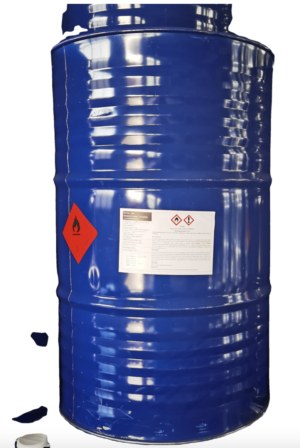
- Safety Considerations: Tetrahydrofuran is considered a hazardous chemical and should be handled with appropriate safety precautions, including proper ventilation, personal protective equipment (PPE), and storage in a cool, well-ventilated area away from heat sources and open flames. Prolonged or repeated exposure to tetrahydrofuran vapor or liquid may cause irritation of the skin, eyes, and respiratory tract.