2-Hydroxyethyl acrylate (2-HEA) is a chemical compound belonging to the class of acrylate esters. Here are some key points about 2-hydroxyethyl acrylate:
- Chemical Structure: 2-Hydroxyethyl acrylate has the chemical formula C5H8O3 and the molecular structure CH2=CHCOOCH2CH2OH. It contains a vinyl group (CH2=CH-) and a hydroxyethyl group (CH2CH2OH).
- Physical Properties:
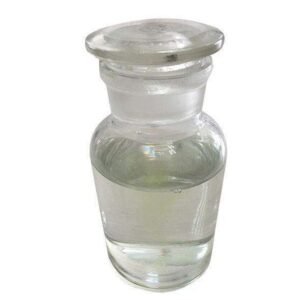
- Appearance: 2-Hydroxyethyl acrylate is a clear, colorless liquid at room temperature.
- Odor: It may have a characteristic acrylate odor.
- Solubility: It is soluble in a wide range of organic solvents but only slightly soluble in water.
- Synthesis: 2-Hydroxyethyl acrylate is typically synthesized through the reaction of acrylic acid with ethylene oxide, resulting in the formation of the hydroxyethyl ester.
- Applications:
- Polymerization: 2-HEA is commonly used as a monomer in the production of various polymers and copolymers through polymerization processes, particularly in the synthesis of hydrophilic polymers with improved adhesion and flexibility properties.
- Coatings and Adhesives: It is employed in the formulation of coatings, adhesives, and sealants due to its ability to improve the adhesion, flexibility, and weatherability of the final products.
- Medical and Healthcare: 2-HEA-based polymers find applications in the medical and healthcare sectors, including in the development of biomedical materials, drug delivery systems, tissue engineering scaffolds, and medical adhesives.
- Textiles: 2-HEA-based polymers can be applied as coatings or finishes on textiles to impart water repellency, stain resistance, and durability.
- Photopolymerization: 2-Hydroxyethyl acrylate is also used in photopolymerization processes, where it undergoes rapid polymerization under ultraviolet (UV) or visible light to form crosslinked networks.
- Health and Safety Considerations:
- 2-Hydroxyethyl acrylate should be handled with care, and exposure to the skin, eyes, or respiratory system should be avoided.
- It may cause irritation to the skin, eyes, and respiratory tract upon contact or inhalation of vapors.
- Adequate ventilation and personal protective equipment (PPE), such as gloves, goggles, and respiratory protection, should be used when working with 2-HEA to minimize exposure risks.
- Environmental Impact:
- 2-HEA may have limited environmental impact if released into the environment. However, appropriate measures should be taken to prevent spills, leaks, or releases during handling and storage.