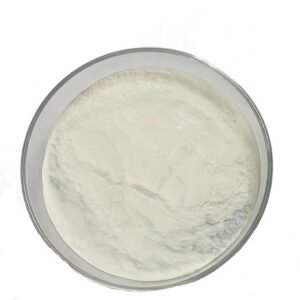
Sodium thioglycolate, also known as sodium mercaptoacetate, is a chemical compound with the formula NaHSCH2CO2. Here’s a brief description:
- Chemical Structure: Sodium thioglycolate is the sodium salt of thioglycolic acid. It consists of a carboxylic acid group (-CO2Na) attached to a thiol group (-SH).
- Physical Properties:
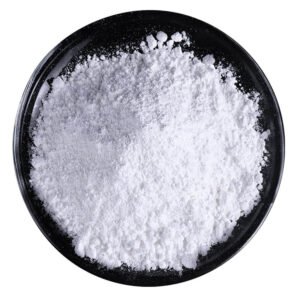
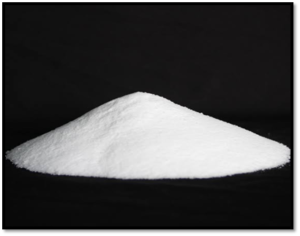
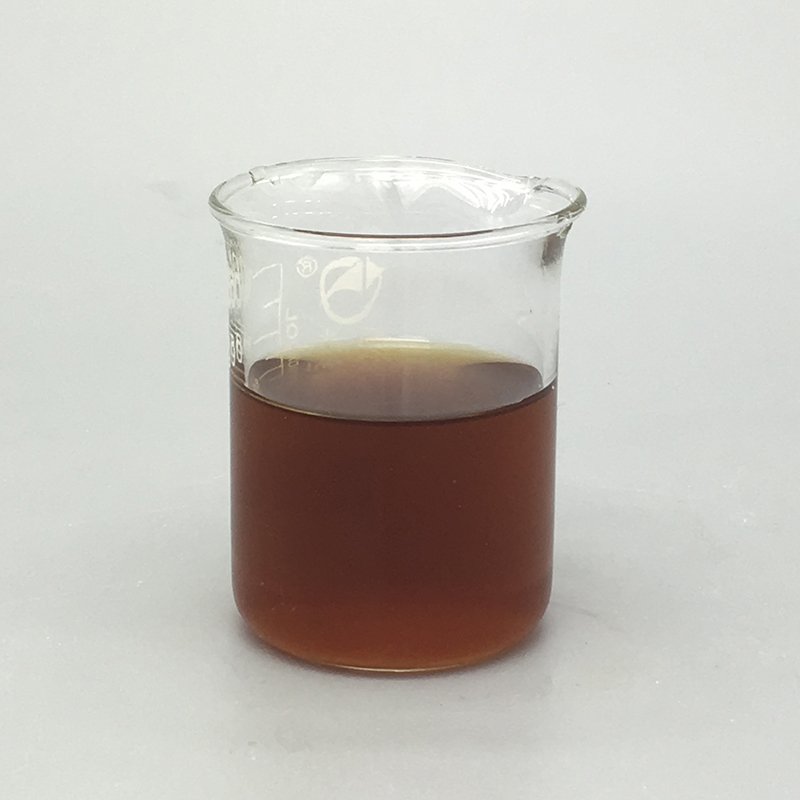
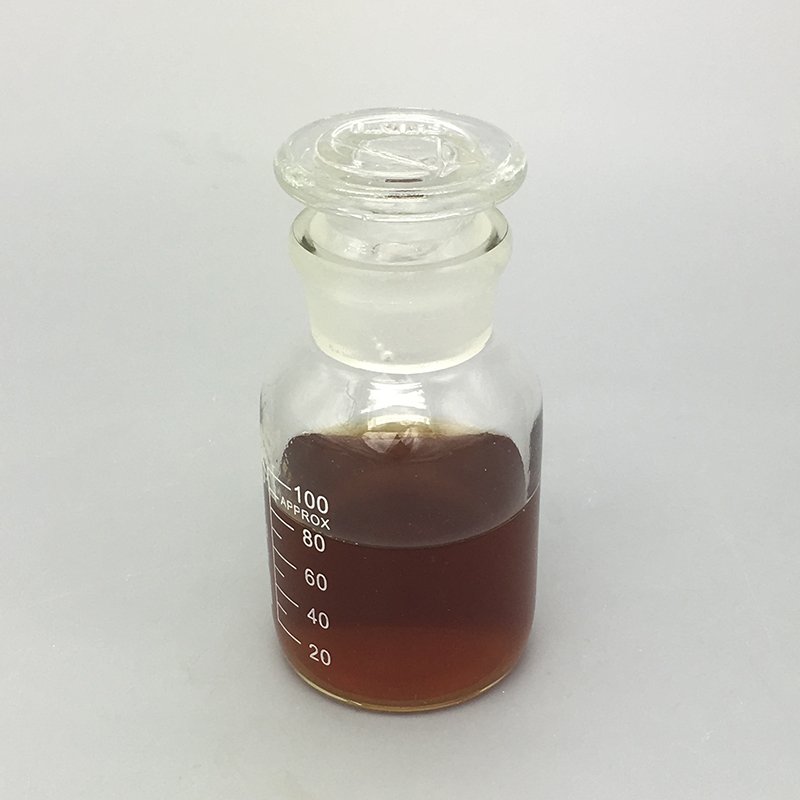
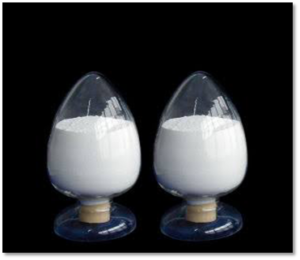
- Appearance: Sodium thioglycolate is typically a white or slightly yellowish crystalline solid.
- Odor: It may have a slight characteristic odor.
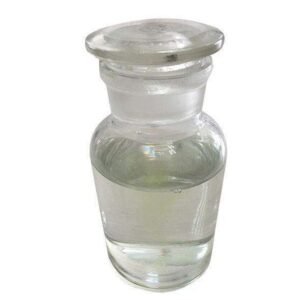
- Solubility: It is highly soluble in water and forms clear solutions.
- Synthesis: Sodium thioglycolate is synthesized by neutralizing thioglycolic acid with sodium hydroxide or sodium carbonate.
- Applications:
- Chemical Processing: Sodium thioglycolate is commonly used in chemical processing, such as in hair straightening, as a reducing agent to break disulfide bonds in hair proteins.
- Depilatory Creams: It is also a key ingredient in depilatory creams and lotions, where it helps weaken and dissolve hair shafts for hair removal.
- Metal Processing: Sodium thioglycolate is used as a complexing agent in metal processing, particularly in the selective flotation of minerals during ore processing.
- Photography: In photography, it is used in certain developing solutions as a solvent for silver halides.
- Health and Safety Considerations:
- Sodium thioglycolate should be handled with care as it can cause skin and eye irritation. Prolonged or repeated exposure may lead to sensitization.
- Adequate ventilation and personal protective equipment (PPE), such as gloves and goggles, should be used when handling sodium thioglycolate.
- Environmental Impact:
- Sodium thioglycolate may have environmental implications if released into water bodies. However, its impact is generally mitigated through proper handling and disposal practices.