Water Chemicals

Ferric Chloride 96%

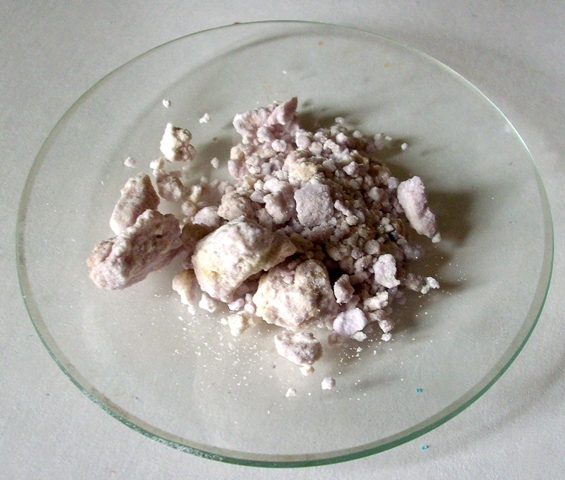
Ferric chloride with a concentration of 96% refers to a solution of ferric chloride where the compound makes up 96% of the total weight of the solution. Composition: Ferric chloride (FeCl3) is a…

Category
Water Chemicals
Availability
In stock · made to order
Packaging
Sample · Drum · IBC · Bulk
Sourcing
Factory-direct, ISO-certified
Price on request Available

Contact us for current pricing, available grades, packaging and lead times — we quote within one business day and ship worldwide.

  • Worldwide shipping
  • Lab-tested quality
  • Factory-direct
  • Bulk, IBC & drums

Product description

Ferric chloride with a concentration of 96% refers to a solution of ferric chloride where the compound makes up 96% of the total weight of the solution.
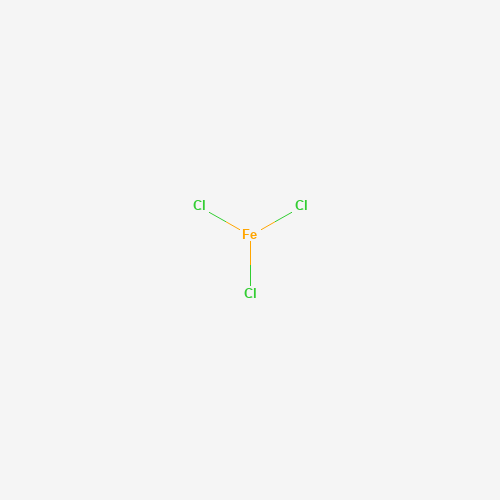
  • Composition: Ferric chloride (FeCl3) is a chemical compound composed of iron (Fe) and chlorine (Cl) atoms. It exists primarily in solution form, often as a clear to slightly yellowish liquid.
  • Function: Ferric chloride is widely used in various industrial applications, including water treatment, wastewater treatment, etching, metal finishing, and as a catalyst in organic synthesis. Its ability to form complexes with organic compounds and precipitate heavy metals makes it valuable in water treatment for coagulation, flocculation, and removal of impurities.
  • Application: In water treatment, ferric chloride is used to remove contaminants such as phosphates, heavy metals, and organic pollutants from drinking water and wastewater. It is also utilized in the production of printed circuit boards, as an etchant in the electronics industry, and as a mordant in textile dyeing.
  • Characteristics: Ferric chloride solution is highly corrosive and can cause burns upon contact with skin or mucous membranes. It has a pungent odor and is soluble in water, producing a reddish-brown solution. The 96% concentration indicates a relatively high purity of the compound.
  • Usage: Ferric chloride is typically added to water treatment systems in the appropriate dosage to achieve the desired coagulation and flocculation effects. The dosage may vary depending on factors such as the type and concentration of impurities present in the water.