Diethylene glycol monovinyl ether, also known as di(ethylene glycol) vinyl ether, is an organic compound with the chemical formula C6H12O3. Here's a brief description: Chemical Structure: Diethylene…
Category
Special Use Chemicals
Availability
In stock · made to order
Packaging
Sample · Drum · IBC · Bulk
Sourcing
Factory-direct, ISO-certified
Price on request Available
Contact us for current pricing, available grades, packaging and lead times — we quote within one business day and ship worldwide.
Diethylene glycol monovinyl ether, also known as di(ethylene glycol) vinyl ether, is an organic compound with the chemical formula C6H12O3. Here's a brief description:
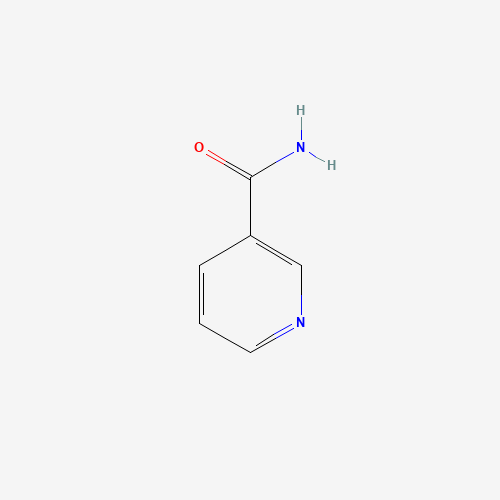
Chemical Structure: Diethylene glycol monovinyl ether consists of two ethylene glycol units with a vinyl group (-CH=CH2) attached to one of the hydroxyl groups (-OH).
Physical Properties:
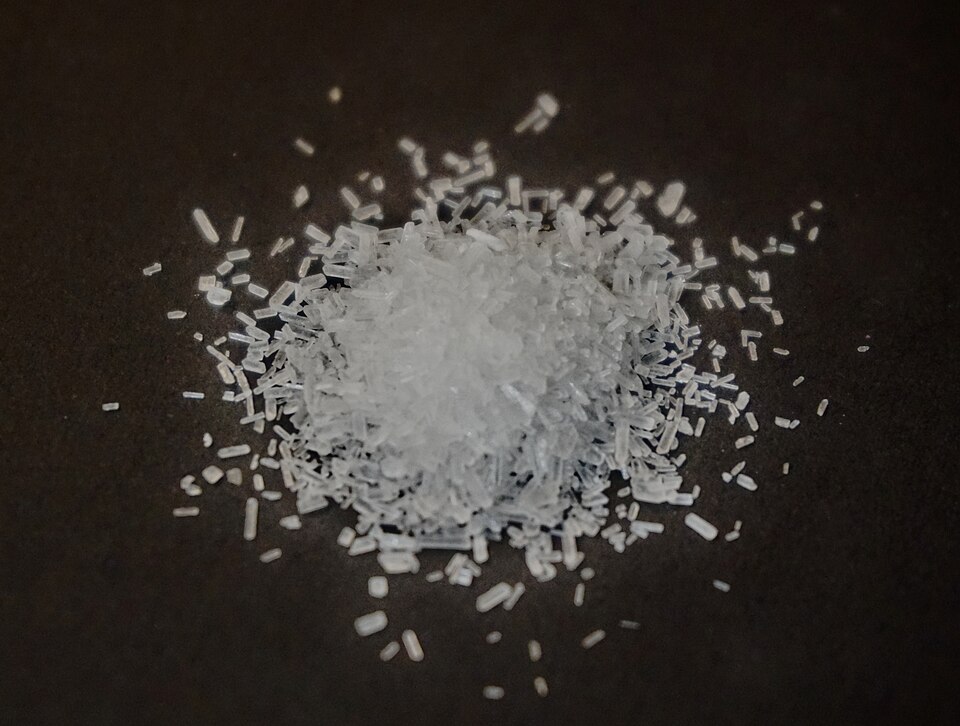
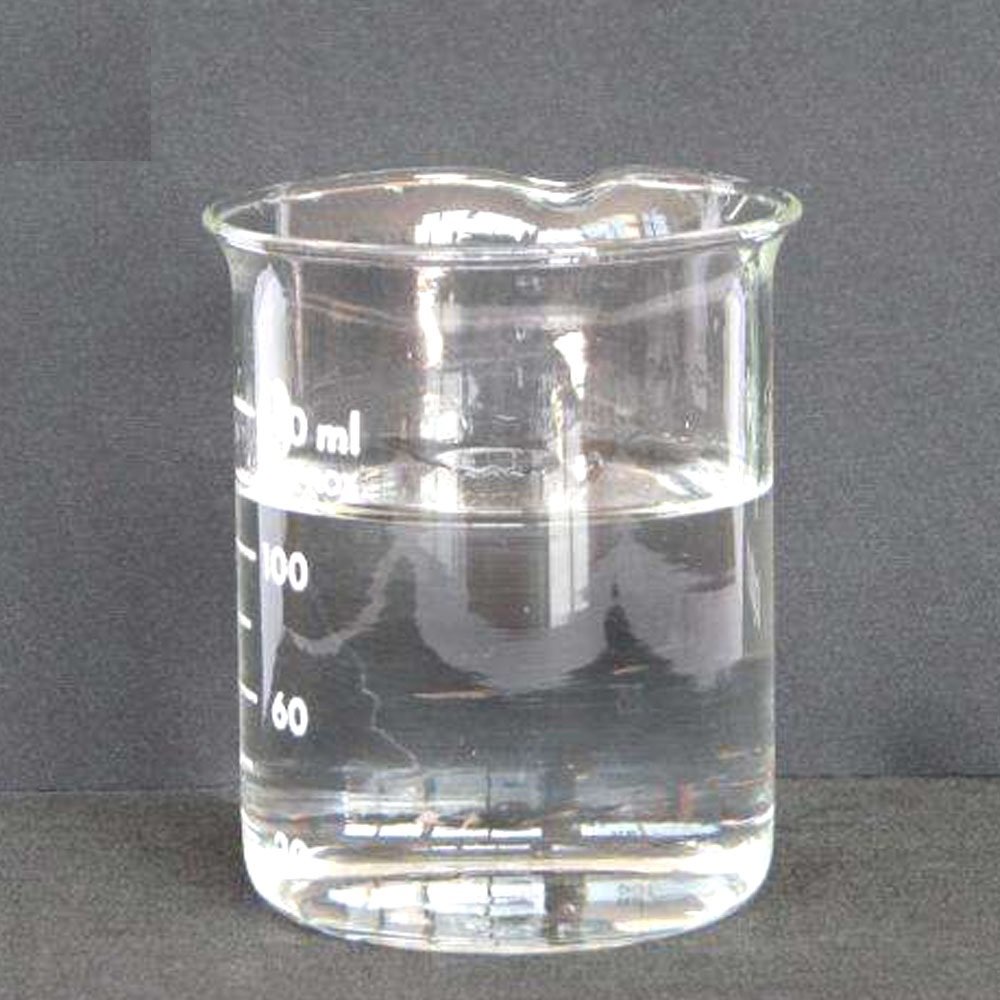
Appearance: Diethylene glycol monovinyl ether is a colorless liquid with a faint, characteristic odor.
Boiling Point: The boiling point of diethylene glycol monovinyl ether is approximately 160-165°C.
Density: It has a density of about 1.08 g/cm³.
Solubility: It is miscible with water and many organic solvents.
Synthesis: Diethylene glycol monovinyl ether can be synthesized by the reaction of ethylene oxide with vinyl alcohol, followed by purification.
Applications:
Chemical Intermediate: Diethylene glycol monovinyl ether is primarily used as a chemical intermediate in organic synthesis. It can undergo various reactions, including polymerization, etherification, and addition reactions, to produce a wide range of compounds.
Monomer: It can be polymerized to form poly(diethylene glycol monovinyl ether), which finds applications in coatings, adhesives, and specialty materials.
Solvent: Diethylene glycol monovinyl ether is used as a solvent in organic synthesis and as a starting material for the synthesis of other organic compounds.
Reagent: It is used as a reagent in certain chemical reactions, such as the synthesis of polymers and surface coatings.
Health and Safety Considerations:
Diethylene glycol monovinyl ether may cause irritation to the skin, eyes, and respiratory tract upon contact or inhalation.
Prolonged or repeated exposure to high concentrations may cause adverse health effects.
Adequate ventilation and proper personal protective equipment (PPE), such as gloves and goggles, should be used when handling diethylene glycol monovinyl ether.
Environmental Impact:
Diethylene glycol monovinyl ether may have environmental implications if released into the environment. It can contribute to air pollution and may be harmful to aquatic organisms.
Proper handling, storage, and disposal practices should be followed to minimize environmental contamination.